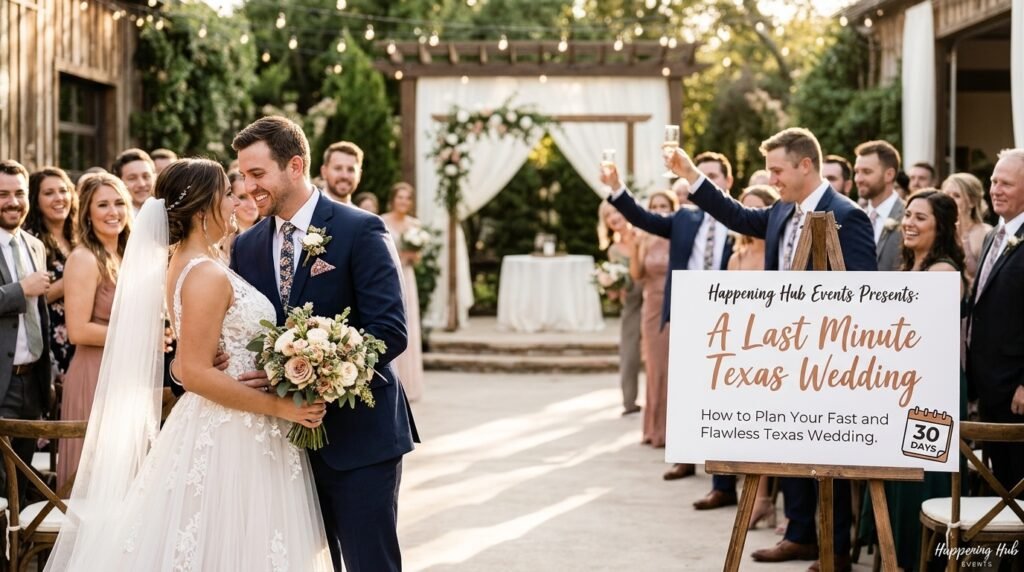
Last Minute Wedding Planner Texas: How to Plan Fast (2026)
Last Minute Wedding Planner Texas: How to Plan a Wedding Fast (Without the Stress) Planning a wedding or a major milestone event in Texas usually comes with a 12-to-18-month roadmap. But life doesn’t always operate on standard timelines. Whether you are navigating a shortened engagement, relocating on short notice, or taking over event coordination at the eleventh hour, hiring an experienced last minute wedding planner in Texas ensures your big day comes together seamlessly without extra stress or budget blowouts. From securing top-rated venues across Dallas, Austin, Houston, and San Antonio to locking down trusted local caterers, the emergency to-do list can feel overwhelming. The good news? Planning a short-notice wedding in Texas is entirely doable with the right execution strategy. With years of hands-on event coordination experience across the Lone Star State, our team has pulled off seamless, luxury events on compressed timelines. Here is the exact emergency playbook we use to execute last-minute Texas weddings without sacrificing quality or paying double in rush fees. The Reality of Last-Minute Event Planning in Texas When you are working within a 30- to 60-day window, traditional advice like “send save-the-dates eight months prior” no longer applies. You need immediate, actionable decision-making. The Texas event market is one of the busiest in the United States. Between seasonal weather shifts—balancing hot summers with ideal spring and autumn wedding dates—and high demand in metropolitan hubs, securing vendors on short notice requires a tactical pivot. Instead of trying to force a traditional planning schedule into a condensed timeline, you must focus on flexibility, bundled services, and rapid logistics. Step 1: Secure Your Venue by Rethinking Location & Dates The venue dictates every other vendor decision, from catering setups to decor installation timelines. When planning on short notice, traditional Saturday evening slots at signature Texas ballrooms or Hill Country ranches are often booked months in advance. However, cancellation gaps and off-peak opportunities exist if you know where to look. 1. Target Friday or Sunday Availability If your heart is set on a specific venue in Austin, Dallas, or Fort Worth, ask their booking manager directly about Friday or Sunday dates. Venues often have open slots on non-Saturday days, and booking these can save you anywhere from 15% to 30% on base rental fees. 2. Look Beyond Traditional Wedding Venues When time is limited, consider spaces that already have built-in seating, lighting, and hospitality staff: Step 2: Leverage Preferred & All-Inclusive Vendor Networks The biggest mistake couples make when planning a last-minute wedding in Texas is reaching out to 30 individual vendors independently. Sending cold emails to photographers, florists, and DJs line-by-line takes days—days you do not have. The Power of Vendor Bundles Instead of piecing together isolated services, prioritize vendors who offer comprehensive solutions. A catering company that also handles bar service, linens, and tableware setup eliminates hours of contract negotiations and coordination calls. Work Off Venue Preferred Lists Once your venue is locked in, ask immediately for their Preferred Vendor List. These are professionals who have already worked at the venue, know the loading dock rules, understand the noise ordinances, and can execute setups with minimal supervision. ⚡ Need Emergency Event Planning in Texas? Don’t spend days calling booked vendors. Our local Texas team maintains a verified network of caterers, photographers, and venues ready for rapid deployment. 👉 Book Your Free 15-Minute Strategy Call Step 3: Why You Need a Last Minute Wedding Planner in Texas Attempting to manage contracts, vendor arrival schedules, catering timelines, and guest management on your own during a 30-day rush is a recipe for burn-out. Partnering with a dedicated last minute wedding planner in Texas brings two massive advantages to the table: Before locking in your final details, review our full suite of full-service planning and day-of coordination packages to see how we streamline the entire process. Step 4: Streamline Your Guest List and RSVPs Digitally Traditional paper invitations take 2 to 4 weeks just for printing, addressing, and shipping. For a short-notice event, physical mail is your enemy. Comparison: Traditional vs. Last-Minute Planning Timeline Planning Stage Standard Timeline (12+ Months) Emergency Texas Timeline (30–60 Days) Venue Selection Tours over 2–3 months Lock in open Friday/Sunday or boutique space in 48 hours Vendor Hiring 10–15 individual contracts Utilize all-inclusive vendors & venue preferred lists Invitations Mail paper invites 8–12 weeks prior Send digital suites with a 7-day RSVP deadline Decor & Design Custom fabrications & mockups High-impact lighting, candles, & local seasonal florals Step 5: Focus on High-Impact Decor (Less is More) When working on a compressed timeline, complex custom installations—like custom-built backdrops or imported exotic florals—can lead to delays and high rush shipping costs. Focus instead on high-impact atmosphere design: Last Minute Wedding Planner Texas (FAQ) Can a last minute wedding planner in Texas execute a wedding in under 30 days? Yes. By securing a venue with built-in amenities (such as boutique hotels or private dining spaces), using digital RSVPs, and hiring a local coordinator with an existing network of available vendors, a high-quality wedding can easily be executed within 30 days. Are last-minute weddings in Texas more expensive? Not necessarily. While rush fees can apply for custom attire or last-minute shipping, you can offset these costs by booking off-peak days (Fridays or Sundays), selecting all-inclusive vendor packages, and opting for minimalist, high-impact decor. How do I find available vendors on short notice in Dallas or Austin? Rather than cold-calling individual vendors, ask your confirmed venue for their preferred vendor list or work with an established last minute wedding planner in Texas who maintains an active network of vetted professionals. Ready to Pull Off Your Event Without the Panic? You don’t have to carry the stress of short-notice event coordination by yourself. Whether you are hosting an intimate gathering in Austin, a corporate event in Dallas, or a last-minute wedding in Houston, our team specializes in rapid execution without compromising elegance. Let us handle the vendor calls, timeline creation, and venue negotiations while you focus on celebrating. 👉