Last Minute Wedding Planner Texas
Uncategorized

Last Minute Wedding Planner Texas: How to Plan Fast (2026)

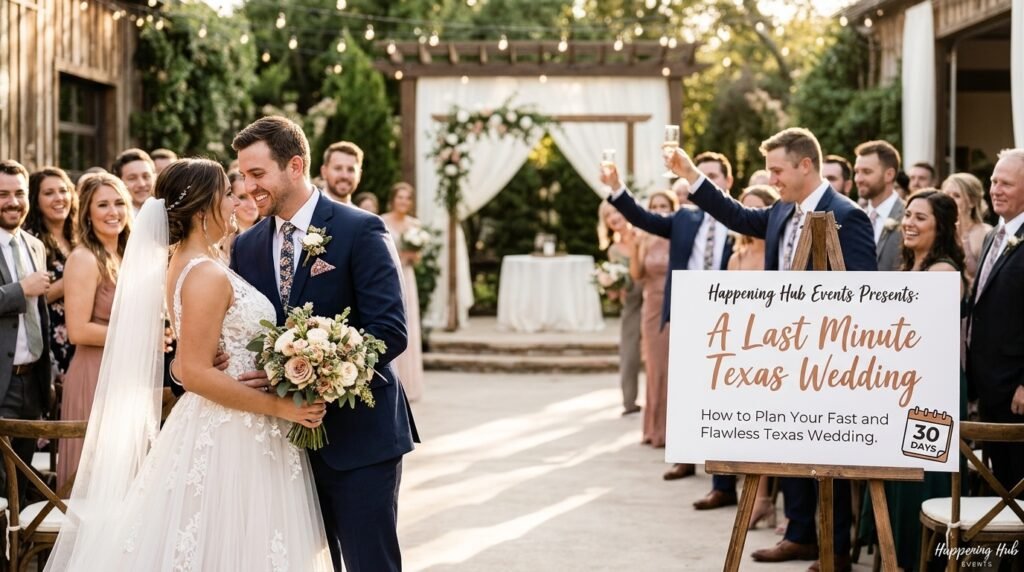
Last Minute Wedding Planner Texas: How to Plan a Wedding Fast (Without the Stress) Planning a wedding or a major milestone event in Texas usually comes with a 12-to-18-month roadmap. But life doesn’t always operate on standard timelines. Whether you are navigating a shortened engagement, relocating on short notice, or taking over event coordination at the eleventh hour, hiring an experienced last minute wedding planner in Texas ensures your big day comes together seamlessly without extra stress or budget blowouts. From securing top-rated venues across Dallas, Austin, Houston, and San Antonio to locking down trusted local caterers, the emergency to-do list can feel overwhelming. The good news? Planning a short-notice wedding in Texas is entirely doable with the right execution strategy. With years of hands-on event coordination experience across the Lone Star State, our team has pulled off seamless, luxury events on compressed timelines. Here is the exact emergency playbook we use to execute last-minute Texas weddings without sacrificing quality or paying double in rush fees. The Reality of Last-Minute Event Planning in Texas When you are working within a 30- to 60-day window, traditional advice like “send save-the-dates eight months prior” no longer applies. You need immediate, actionable decision-making. The Texas event market is one of the busiest in the United States. Between seasonal weather shifts—balancing hot summers with ideal spring and autumn wedding dates—and high demand in metropolitan hubs, securing vendors on short notice requires a tactical pivot. Instead of trying to force a traditional planning schedule into a condensed timeline, you must focus on flexibility, bundled services, and rapid logistics. Step 1: Secure Your Venue by Rethinking Location & Dates The venue dictates every other vendor decision, from catering setups to decor installation timelines. When planning on short notice, traditional Saturday evening slots at signature Texas ballrooms or Hill Country ranches are often booked months in advance. However, cancellation gaps and off-peak opportunities exist if you know where to look. 1. Target Friday or Sunday Availability If your heart is set on a specific venue in Austin, Dallas, or Fort Worth, ask their booking manager directly about Friday or Sunday dates. Venues often have open slots on non-Saturday days, and booking these can save you anywhere from 15% to 30% on base rental fees. 2. Look Beyond Traditional Wedding Venues When time is limited, consider spaces that already have built-in seating, lighting, and hospitality staff: Step 2: Leverage Preferred & All-Inclusive Vendor Networks The biggest mistake couples make when planning a last-minute wedding in Texas is reaching out to 30 individual vendors independently. Sending cold emails to photographers, florists, and DJs line-by-line takes days—days you do not have. The Power of Vendor Bundles Instead of piecing together isolated services, prioritize vendors who offer comprehensive solutions. A catering company that also handles bar service, linens, and tableware setup eliminates hours of contract negotiations and coordination calls. Work Off Venue Preferred Lists Once your venue is locked in, ask immediately for their Preferred Vendor List. These are professionals who have already worked at the venue, know the loading dock rules, understand the noise ordinances, and can execute setups with minimal supervision. ⚡ Need Emergency Event Planning in Texas? Don’t spend days calling booked vendors. Our local Texas team maintains a verified network of caterers, photographers, and venues ready for rapid deployment. 👉 Book Your Free 15-Minute Strategy Call Step 3: Why You Need a Last Minute Wedding Planner in Texas Attempting to manage contracts, vendor arrival schedules, catering timelines, and guest management on your own during a 30-day rush is a recipe for burn-out. Partnering with a dedicated last minute wedding planner in Texas brings two massive advantages to the table: Before locking in your final details, review our full suite of full-service planning and day-of coordination packages to see how we streamline the entire process. Step 4: Streamline Your Guest List and RSVPs Digitally Traditional paper invitations take 2 to 4 weeks just for printing, addressing, and shipping. For a short-notice event, physical mail is your enemy. Comparison: Traditional vs. Last-Minute Planning Timeline Planning Stage Standard Timeline (12+ Months) Emergency Texas Timeline (30–60 Days) Venue Selection Tours over 2–3 months Lock in open Friday/Sunday or boutique space in 48 hours Vendor Hiring 10–15 individual contracts Utilize all-inclusive vendors & venue preferred lists Invitations Mail paper invites 8–12 weeks prior Send digital suites with a 7-day RSVP deadline Decor & Design Custom fabrications & mockups High-impact lighting, candles, & local seasonal florals Step 5: Focus on High-Impact Decor (Less is More) When working on a compressed timeline, complex custom installations—like custom-built backdrops or imported exotic florals—can lead to delays and high rush shipping costs. Focus instead on high-impact atmosphere design: Last Minute Wedding Planner Texas (FAQ) Can a last minute wedding planner in Texas execute a wedding in under 30 days? Yes. By securing a venue with built-in amenities (such as boutique hotels or private dining spaces), using digital RSVPs, and hiring a local coordinator with an existing network of available vendors, a high-quality wedding can easily be executed within 30 days. Are last-minute weddings in Texas more expensive? Not necessarily. While rush fees can apply for custom attire or last-minute shipping, you can offset these costs by booking off-peak days (Fridays or Sundays), selecting all-inclusive vendor packages, and opting for minimalist, high-impact decor. How do I find available vendors on short notice in Dallas or Austin? Rather than cold-calling individual vendors, ask your confirmed venue for their preferred vendor list or work with an established last minute wedding planner in Texas who maintains an active network of vetted professionals. Ready to Pull Off Your Event Without the Panic? You don’t have to carry the stress of short-notice event coordination by yourself. Whether you are hosting an intimate gathering in Austin, a corporate event in Dallas, or a last-minute wedding in Houston, our team specializes in rapid execution without compromising elegance. Let us handle the vendor calls, timeline creation, and venue negotiations while you focus on celebrating. 👉
How Much Does a Wedding Cost in Texas
blog

How Much Does a Wedding Cost in Texas? (2026 Budget Guide)

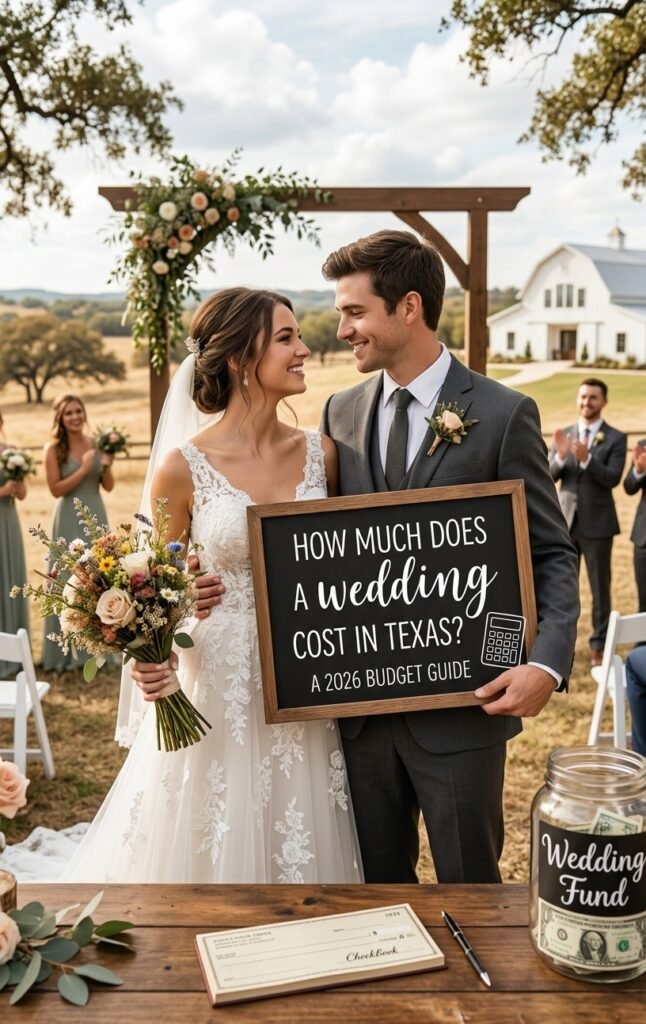
Planning a wedding in the Lone Star State is an exciting journey, but one of the very first questions every couple faces is: How much does a wedding cost in Texas? From rustic Hill Country barns in Austin to elegant high-rise ballrooms in Dallas and Houston, Texas offers an incredible variety of wedding styles. However, overall expenses can vary dramatically depending on your location, guest count, vendor choices, and season. In this comprehensive guide, we break down the average wedding cost in Texas for 2026, detailed category-by-category expenses, city price comparisons, and practical tips to keep your budget on track without sacrificing your dream day. What is the Average Wedding Cost in Texas in 2026? On average, a wedding in Texas costs between $28,000 and $36,000 for a standard guest list of 100 to 150 people. While this places Texas right around the US national average (~$30,000–$33,000), actual expenditures depend heavily on where and how you celebrate: Complete Texas Wedding Budget Breakdown To help you allocate your funds wisely, here is how a typical Texas wedding budget is distributed across major categories: 1. Venue & Space Rentals (30% – 35%) 2. Catering, Food & Drinks (20% – 25%) 3. Photography & Videography (10% – 12%) 4. Florals, Lighting & Decor (8% – 10%) 5. Attire, Grooming & Beauty (6% – 8%) 6. Entertainment (5% – 7%) Average Wedding Costs Across Major Texas Cities Location has a massive impact on vendor pricing and venue availability. Here is what couples can expect across different regions in Texas: Austin & Hill Country ($32,000 – $48,000) Austin is one of the most sought-after wedding destinations in the southern United States. Scenic Hill Country backdrop venues (Dripping Springs, Wimberley) carry premium pricing due to high demand for outdoor and destination weddings. Dallas-Fort Worth Metroplex ($30,000 – $45,000) DFW boasts a vast selection of luxury hotels, industrial-chic downtown spaces, and expansive suburban estates. High competition keeps quality elevated, but prime city center locations command higher rental and parking fees. Houston ($28,000 – $40,000) As the largest city in Texas, Houston offers a diverse vendor network across all price points. From sprawling historic properties in Galveston to modern spaces in the Museum District, couples can find options suited to various budgets. San Antonio & South Texas ($24,000 – $34,000) San Antonio offers rich culture and historic charm (such as River Walk venues) at slightly lower average costs than Austin or Dallas, making it a popular choice for budget-conscious couples wanting a distinctive setting. Smart Money-Saving Tips for Your Texas Wedding Frequently Asked Questions (FAQs) What is the cheapest month to get married in Texas? July, August, and January are generally the cheapest months to get married in Texas. Venues and vendors often offer discounted rates due to lower booking demand during extreme summer heat or mid-winter lulls. How much does a wedding coordinator cost in Texas? Full-service wedding planners in Texas range from $3,000 to $7,000+, while day-of or month-of coordination services typically cost between $1,000 and $2,500. What is the average deposit required for Texas wedding venues? Most Texas venues require a 25% to 50% non-refundable deposit at the time of contract signing to hold your event date, with the remaining balance due 30 to 60 days before the wedding. Final Thoughts: How Much Does a Wedding Cost in Texas A wedding in Texas can be tailored to fit almost any financial plan. By understanding typical vendor fees, establishing your priorities early, and managing your guest list, you can plan a memorable celebration without overspending.

Texas Wedding Planning Checklist
blog

Texas Wedding Planning Checklist (2026)

Texas Wedding Planning Checklist means dealing with long distances, hot summers and venues that book up fast. This checklist breaks the process into clear stages so nothing gets missed. Quick answer: Start planning 12 to 15 months before your wedding. Book your venue first, then your photographer, caterer and entertainment, and apply for your marriage license in the final month. Why Texas Needs Its Own Wedding Checklist Generic checklists ignore what makes Texas weddings different. Venues in the Hill Country can sit 25 to 50 miles from the nearest city, so guest transport matters. Summer heat affects outdoor ceremonies, guest comfort and even your cake and flowers. Houston’s humidity and sudden rain add another layer. And popular spring and fall weekends fill up early. Our experience: [Add 2-3 sentences about your real experience, for example: “Our team has coordinated [number] weddings across [cities] since [year].”] The advice below comes from that hands-on planning work. 12 to 15 Months Before Texas tip: Spring (March to May) and fall (October to November) are the most comfortable seasons for outdoor weddings. If you marry between June and September, choose a venue with air conditioning or deep shade, and hold the ceremony in the evening. 9 to 11 Months Before 6 to 8 Months Before 4 to 5 Months Before 2 to 3 Months Before 1 Month Before Texas Marriage License Basics In Texas, you apply for your license at a county clerk’s office. Both partners generally appear in person with valid photo ID. Key points to know: Rules and fees vary by county and can change, so confirm everything with your county clerk or the [official Texas marriage license guidance]([add official Texas.gov or county clerk link]) before you go. Week of the Wedding Regional Tips for Texas Weddings Planning something beyond a wedding? We also handle corporate events and birthday and milestone parties across Texas. FAQs: Texas Wedding Planning Checklist How far in advance should I plan a Texas wedding?Ideally 12 to 15 months, especially for popular venues and peak seasons. Smaller weddings can come together in 6 to 9 months with flexible dates. What is the best time of year for a Texas wedding?Spring and fall offer the most comfortable weather for outdoor celebrations. Summer works well with indoor venues or evening ceremonies. How long is the waiting period for a Texas marriage license?Texas generally requires a 72-hour wait after the license is issued, with exceptions such as active-duty military or completing an approved premarital course. Check with your county clerk. Do I need a wedding planner in Texas?It is not required, but with long distances, outdoor venues and many vendors, a planner or day-of coordinator can save you significant time and stress. How do I keep guests comfortable in Texas heat?Choose shade or air conditioning, schedule the ceremony later in the day, provide water and fans, and keep the ceremony short. Should I plan a rain backup for an outdoor wedding?Yes. Weather can change quickly in Texas, so always have a tent, indoor space or alternate plan in writing. Ready to Plan Your Texas Wedding? Happening Hub Events can help you plan, coordinate and run your wedding from venue search to the last dance. Contact us for a free consultation and tell us your date, city and guest count. About the author: [Name] is a [title] with [years] of experience in [event planning/weddings] across Texas. [Add credentials, associations, or notable events.] Sources: Texas county clerk guidance; Texas Family Code, Chapter 2 (marriage license provisions) [add verified links].

Corporate Event Planning Checklist
Uncategorized

Corporate Event Planning Checklist for Frisco & DFW Businesses

Corporate Event Planning Checklist for Frisco & DFW Businesses Planning a corporate event — whether it’s a client appreciation dinner, a product launch, or an all-day conference — involves more moving pieces than most businesses expect going in. A missed deadline on catering counts or a venue contract signed without checking cancellation terms can turn a straightforward event into a stressful few weeks leading up to it. At Happening Hub Events, we’ve built this corporate event planning checklist based on the events we manage for businesses across Frisco, TX 75033 and the greater DFW area. Whether you’re planning your first company event or your fifteenth, this timeline-based checklist will help you stay ahead of the details that most commonly get missed. 3+ Months Before the Event Define the event’s purpose and goals. Is this a client relationship event, an internal culture event, a lead-generation opportunity, or a product announcement? The goal shapes every decision that follows, from venue style to guest list. Set a total budget. Break it into categories early: venue, catering, AV/production, décor, staffing, and a contingency line (we recommend 10% of total budget) for unexpected costs. Confirm your guest count range. Even an estimate helps narrow down which venues in Frisco can realistically accommodate your event. Shortlist and tour venues. For events over 100 guests, or anything scheduled between September and December, start venue outreach as early as possible — that’s peak season for corporate events in the DFW area and popular spaces book out quickly. Book your primary vendors. Photographers, videographers, and in-demand caterers are typically the first to be fully booked for a given date. 6-8 Weeks Before the Event Finalize the guest list and send invitations. Include a clear RSVP deadline — ideally 2-3 weeks before the event — so you have accurate numbers for catering and seating. Confirm AV and technical requirements. If the event includes presentations, live streaming, or a stage setup, confirm equipment and run a technical check well before event week, not the day before. Lock in décor and branding elements. Centerpieces, signage, branded backdrops, and any custom elements should be finalized so vendors have enough lead time for production. Plan the run-of-show. Build a detailed timeline covering setup, guest arrival, program elements (speeches, presentations, entertainment), meal service, and breakdown. 2-4 Weeks Before the Event Confirm final headcount with your caterer. Most Frisco-area caterers require final numbers 10-14 days out, and changes after that window can be difficult or costly to accommodate. Send a vendor confirmation email to everyone involved. Confirm arrival times, contact numbers, and any last-minute changes to the venue or timeline. Prepare name badges, seating charts, or check-in materials. For larger events, decide whether you need a dedicated check-in table or staff. Do a final venue walkthrough. Confirm load-in access, parking arrangements for vendors and guests, and any building-specific rules (loading dock hours, insurance requirements, noise restrictions). 1 Week Before the Event Confirm weather contingency plans, especially for any outdoor or hybrid elements — Texas weather can shift quickly even during the more predictable months. Distribute the final run-of-show to every vendor, speaker, and internal stakeholder involved. Pack an emergency kit — extra name badges, tape, chargers, a printed copy of the timeline, and contact numbers for every vendor. Assign a single point of contact for the event day who isn’t also responsible for hosting or presenting — this is one of the most common gaps in DIY-planned corporate events. Day of the Event Arrive before vendor load-in begins to confirm setup matches the plan. Do a final AV and technical check before guests arrive. Have the run-of-show printed and accessible for anyone managing the event, not just stored on a phone that might lose battery or signal. Designate someone to manage the timeline in real time, adjusting as needed without disrupting the guest experience — this is typically where an event planner’s role matters most, since it requires full attention throughout the event rather than periodic check-ins. After the Event Send vendor payments and any final balances promptly, especially for vendors you plan to work with again for future events. Collect feedback from attendees or internal stakeholders while the event is still fresh. Document what worked and what didn’t for future planning — this is one of the simplest ways to improve each subsequent event without repeating avoidable mistakes. Common Mistakes We See in Corporate Event Planning Based on the events we’ve managed and rescued mid-planning for clients in the Frisco and DFW area, a few mistakes come up repeatedly: How Happening Hub Events Can Help We offer both full-service corporate event planning and day-of coordination for businesses that have handled the planning themselves but want a dedicated professional managing the event day. If you’re still deciding on a location, our guide to venues for corporate events in Frisco, TX is a good next step. And if you’re weighing whether to bring in outside help at all, our article on why hiring a professional event planner in Frisco, Texas is worth a read. You can also browse examples of events we’ve managed on our portfolio page. FAQ:Corporate Event Planning Checklist How far in advance should I start planning a corporate event? For events over 100 guests, we recommend starting at least 3 months in advance, and closer to 4-6 months during peak season (September through December) in the DFW area. Smaller internal events can often be planned in 4-6 weeks. What’s the biggest mistake businesses make when planning corporate events themselves? Not assigning a single point of contact for the event day. When the person managing vendors is also expected to host, greet guests, or present, details inevitably get missed. Do I need an event planner for a small internal company event? Not necessarily — smaller, lower-complexity events can often be managed internally with a solid checklist. Day-of coordination is a useful middle-ground option if you want professional oversight without full-service planning costs. How much should I budget for a corporate event contingency fund? We

Event Planner Frisco Texas
blog

Event Planner Frisco Texas — Why Hire a Professional

If you’re searching for an event planner Frisco, Texas, you’ve probably already asked yourself one key question: is it worth hiring a professional, or can you handle the planning yourself? At Happening Hub Events, we hear this question from nearly every new client during their first consultation. Having worked as an event planner in Frisco, Texas and across the surrounding DFW area, we’ve seen exactly where DIY planning tends to break down — and where a planner genuinely changes the outcome. At Happening Hub Events, we hear this question from nearly every new client during their first consultation. Having planned events throughout Frisco, TX 75033 and the surrounding DFW area, we’ve seen exactly where DIY planning tends to break down — and where a planner genuinely changes the outcome. This article walks through the honest case for hiring one, along with situations where you might not need to. The Real Cost of “Free” DIY Planning On paper, planning an event yourself looks like it saves money — no planner fee to pay. In practice, the math often works out differently: For many clients, a planner’s fee ends up being offset — sometimes entirely — by better vendor pricing and avoided costly mistakes. Local Knowledge Is Harder to Replace Than It Looks Frisco has grown quickly, and its event venue and vendor landscape changes along with it. New venues open, others get booked out a year in advance, and vendor quality varies more than review sites always reflect. A planner working regularly in Frisco knows: This kind of knowledge takes months or years to build from experience — it’s not something a few hours of online research fully replaces. Where a Planner Makes the Biggest Difference 1. Budget Management A planner tracks every category of spending against your total budget in real time, catching overspending in one area before it forces cuts elsewhere. 2. Vendor Coordination Instead of you calling five vendors individually to confirm timing, a planner manages all vendor communication and keeps everyone aligned to a single master timeline. 3. Day-Of Execution This is where most DIY events run into trouble. Even a well-planned event needs someone monitoring setup, managing vendor arrivals, and solving small problems in real time — without pulling the host or their family away from actually enjoying the event. 4. Contract and Contingency Planning Professional planners know what to look for in venue and vendor contracts, and they build weather or backup contingencies into the plan from the start rather than scrambling if something changes last minute. When You Might Not Need a Full-Service Planner To be fair, not every event needs full-service planning. If you’re hosting a very small gathering (under 20–30 guests), have a flexible date, and enjoy the planning process itself, DIY planning with occasional professional input can work well. Many planners, including our team, offer scaled-down options like: The right level of service depends on your event size, timeline, and how much hands-on involvement you want in the planning process itself. What to Look for When Choosing an Event Planner in Frisco If you decide a planner is the right move, a few things are worth checking before signing a contract: You can also read more about our team’s background and approach on our About Us page. Our Approach at Happening Hub Events We work with clients across Frisco and the greater DFW area on both weddings and corporate events, offering flexible service levels depending on what each client actually needs — not a one-size-fits-all package. If you’ve already looked into venues, our guides on corporate event venues in Frisco and planning a wedding in Frisco are good next steps for more detail on those specific event types. Frequently Asked Questions: Event Planner Frisco Texas Is it worth hiring an event planner for a small event? For very small, low-complexity gatherings, DIY planning can work fine. Once you’re managing multiple vendors, a specific guest experience, or a tight timeline, even a smaller event benefits from at least day-of coordination. How much does an event planner cost in Frisco, TX? Costs vary widely based on service level — day-of coordination is the most affordable option, while full-service planning costs more but typically includes vendor booking, budget management, and design from start to finish. We provide custom quotes after a free consultation based on your specific event. What’s the difference between an event planner and a venue coordinator? A venue coordinator works for the venue and focuses only on what happens inside that specific location. An event planner works for you, managing every vendor, detail, and decision across the entire event — not just the venue. How early should I hire an event planner? For weddings and large corporate events, 9–12 months out is ideal for full-service planning. Month-of or day-of coordination can typically be booked with just a few months’ notice. Do you only plan weddings, or corporate events too? Happening Hub Events plans both. We regularly handle weddings, corporate functions, and social celebrations throughout Frisco, TX 75033 and the surrounding DFW Metroplex. Ready to Talk Through Your Event? Whether you’re leaning toward full-service planning or just want an honest opinion on what level of help makes sense for your event, we’re happy to talk it through. Book Your Free Consultation with Happening Hub Events today.

Wedding Planner in Frisco
blog

Wedding Planner in Frisco, TX — Complete Wedding Guide

If you’re searching for a wedding planner in Frisco, TX, this guide walks through, Texas has become one of the fastest-growing wedding destinations in the Dallas-Fort Worth area, and it’s easy to see why. The city offers a mix of upscale venues, easy access from anywhere in DFW, and a genuine small-city charm that larger Dallas venues can’t always match. But with growth comes more choices — and more decisions for couples to sort through. At Happening Hub Events, we plan weddings throughout Frisco, TX 75033 and the surrounding DFW Metroplex on a regular basis. This guide walks through the planning process the way we actually approach it with our own clients, from the first budget conversation to the final walk down the aisle. Step 1: Set a Realistic Budget First Before touring a single venue, sit down and decide on a total wedding budget — then break it into categories. In the Frisco and greater DFW area, a general rule of thumb is: Most couples underestimate the “miscellaneous” category. Having a planner track this from day one prevents the last-minute budget surprises that cause the most stress in the final weeks before a wedding. Step 2: Choose Your Wedding Date Strategically Frisco’s wedding season runs heaviest from April through June and September through November, when the Texas heat is more manageable for outdoor ceremonies. Popular venues in this window can book out 9–12 months in advance, so if you have a specific venue in mind, start there before finalizing other vendors. Couples open to a winter or midsummer date often find significantly better availability and pricing — something we regularly point out to clients trying to balance vision with budget. Step 3: Select a Venue That Matches Your Guest Count Frisco offers a wide range of wedding venues, generally falling into a few categories: Ballroom and hotel venues — Best for larger weddings (150+ guests) needing indoor space, in-house catering, and overnight accommodations for out-of-town guests. Rustic and barn-style venues — Popular in the areas surrounding Frisco, these work well for couples wanting an outdoor or semi-outdoor ceremony with a Texas Hill Country feel. Garden and estate venues — A middle-ground option offering manicured outdoor space with indoor backup for weather, typically suited to 100–200 guests. Boutique and intimate venues — Ideal for smaller weddings (under 75 guests) or elopements, often with more flexible vendor policies. Matching guest count to venue size matters more than couples expect — an oversized venue can make a smaller wedding feel empty, while an undersized one creates logistical headaches on the day. Step 4: Build Your Vendor Team Early The vendors that book out fastest in the Frisco market are photographers, videographers, and popular caterers. As a general timeline: One of the biggest advantages of working with a local planner is an existing relationship with trusted vendors — we’ve worked with many of the photographers, florists, and caterers in the Frisco area repeatedly, which means we already know their pricing, availability patterns, and working style before we ever recommend them to a client. Step 5: Plan for Texas Weather Even in the “ideal” wedding months, Texas weather can be unpredictable. Any outdoor ceremony in Frisco should have a rain contingency plan built in from the start — whether that’s a tented backup, an indoor ballroom option, or a flexible timeline that allows for a delay. We build this into every outdoor wedding timeline we manage, because scrambling for a plan B on the wedding day itself is avoidable with the right preparation. Step 6: Finalize the Day-Of Timeline A wedding day timeline typically needs to account for: This is usually where couples benefit most from professional coordination — not because the individual pieces are complicated, but because keeping 8–10 vendors on the same schedule while managing family expectations is genuinely a full-time job on the wedding day itself. How Happening Hub Events Approaches Wedding Planning We offer both full-service planning (starting from the very first venue tour) and month-of coordination for couples who’ve handled the planning themselves but want a professional running the actual day. You can see examples of weddings and events we’ve coordinated on our portfolio page, and read more about our approach on our About Us page. If you’re also planning a corporate event alongside personal milestones, we’ve also put together a guide on corporate event venues in Frisco, TX that may be useful. Frequently Asked Questions We’re planning a full-service wedding in Frisco, TX and want a planner who can handle everything from venue coordination to catering and day-of coordination — what should we look for and what packages are typically offered? Look for a planner with direct experience in the Frisco/DFW market who offers a clearly defined full-service package — this should include venue selection and contract negotiation, budget management, vendor booking (catering, florist, photography, etc.), design and décor planning, and full day-of coordination. At Happening Hub Events, our full-service package covers all of this from your first consultation through the end of your wedding night, so you have a single point of contact managing every vendor and detail rather than coordinating each piece yourself. We also offer partial planning and month-of coordination for couples who only need help with specific parts of the process. How far in advance should we book a wedding planner in Frisco, TX? We recommend reaching out at least 9–12 months before your wedding date if you want full-service planning, especially for weddings in peak season (spring and fall). Month-of coordination can typically be booked with 2–3 months’ notice. What’s the difference between full-service planning and month-of coordination? Full-service planning means we’re involved from the beginning — venue selection, vendor booking, budget management, and design. Month-of coordination means you’ve handled the planning yourself, and we step in about 4–6 weeks before the wedding to finalize details and manage the entire wedding day. How much does a wedding planner cost in the Frisco/DFW area? Costs vary based on the level of service and

Corporate Event Venues in Frisco TX
blog

Top 10 Corporate Event Venues in Frisco, TX (2026 Guide)

Corporate Event Venues in Frisco has grown into one of the most sought-after destinations in the Dallas-Fort Worth Metroplex for hosting corporate events. With its central location, modern infrastructure, and a steady stream of new hotels, ballrooms, and stadium-style venues, Frisco offers no shortage of options for businesses planning anything from a small board meeting to a full-scale product launch. Finding the right venues for corporate events in Frisco, however, requires knowing what to look for beyond just capacity and price. At Happening Hub Events, we plan and coordinate corporate events throughout Frisco and the surrounding DFW area on a regular basis. This guide draws on that hands-on experience to walk you through what actually matters when choosing among venues for corporate events, along with the types of spaces that consistently work well for corporate gatherings in this market. Why Frisco Is a Smart Choice for Corporate Events Frisco sits at the intersection of the Dallas North Tollway and the Sam Rayburn Tollway, making it an easy drive for attendees coming from Dallas, Plano, McKinney, and Fort Worth. The city has also invested heavily in event infrastructure over the past decade, from The Star (the Dallas Cowboys’ headquarters and practice facility) to a growing number of full-service hotels with dedicated meeting space. For companies deciding between a Frisco venue and a downtown Dallas option, the calculation often comes down to three things: parking, cost per square foot, and how quickly a venue team can accommodate custom setups. Frisco tends to win on all three, particularly for events under 300 guests. What to Look for in Venues for Corporate Events Before comparing specific venues, it helps to know which factors actually affect the success of a corporate event: Types of Venues That Work Well in Frisco Rather than naming a single “best” venue (the right choice depends heavily on guest count, budget, and event goals), here are the venue categories we most often recommend to clients, based on the events we’ve planned in the area: 1. Hotel Ballrooms Frisco’s hotel corridor along the Tollway has several properties with dedicated event space, ranging from boardrooms for 20 to ballrooms that hold 200+. These work well when out-of-town attendees need overnight accommodations in the same building. 2. Sports and Entertainment Venues Frisco’s stadium and sports-complex venues offer a distinctive backdrop for client appreciation events, product reveals, and team-building days — something that’s hard to replicate in a traditional conference room. 3. Private Event Spaces and Lofts For smaller executive gatherings or intimate brand activations, Frisco has a growing number of boutique event spaces that offer more design flexibility than a standard hotel ballroom. 4. Restaurant Private Dining Rooms For client dinners or smaller leadership meetings, several Frisco restaurants offer semi-private or fully private dining rooms with built-in catering — reducing the number of vendors you need to manage. 5. Outdoor and Hybrid Venues Texas weather cooperates for a good stretch of the year, and several Frisco venues offer covered outdoor space that works well for company picnics, launch parties, or afternoon networking events. Comparing Venues for Corporate Events in Frisco Choosing among venues for corporate events comes down to matching the space to your event goals. Here’s a quick comparison to help you decide: Venue Type Best For Typical Capacity Hotel Ballroom Multi-day conferences, out-of-town guests 50–300+ Sports/Entertainment Venue Client appreciation, product reveals 50–250 Private Event Space Executive meetings, brand activations 20–100 Restaurant Private Dining Client dinners, small leadership meetings 10–40 Outdoor/Hybrid Venue Company picnics, launch parties 30–200 How to Choose Among Venues for Corporate Events When a client comes to us for corporate event planning in Frisco, we start with three questions: What’s the goal of the event? What’s the realistic guest count? And what’s the budget ceiling before catering and décor? From there, we shortlist two to three venues that fit, handle site visits, negotiate contract terms with the venue, and manage the full timeline so our client isn’t juggling five vendor relationships on their own. This is where working with a local planner pays off — we already know which Frisco venues are reliable with AV setups, which ones have hidden fees in their contracts, and which ones book out months in advance during Q4. Budget Ranges to Expect While every event is different, here’s a rough sense of what companies typically budget for a corporate event in the Frisco area, based on venue rental alone (excluding catering, AV upgrades, and décor): Catering, staffing, and AV can often match or exceed the venue cost itself, which is why having a planner manage the full budget — not just the venue line item — tends to save clients money in the long run. Frequently Asked Questions: Corporate Event Venues in Frisco What are the best venues for corporate events in Frisco, TX? The best venues for corporate events in Frisco depend on your guest count and format — hotel ballrooms work well for large conferences, sports and entertainment venues suit client appreciation events, and private event spaces are a good fit for smaller executive gatherings. We help clients match the right venue type to their specific event goals. How far in advance should we book a corporate event venue in Frisco? For events with 100+ guests, we recommend booking 3–4 months out, especially if your event falls between September and December, which is peak season for corporate gatherings in the DFW area. Smaller meetings can often be booked with 4–6 weeks’ notice. Do Frisco venues typically include catering? It varies. Hotel ballrooms usually require in-house catering or have an approved vendor list, while independent event spaces often let you bring in outside caterers. We factor this into venue recommendations based on whether a client already has a preferred caterer. What’s the difference between hiring a venue directly versus working with an event planner? Booking a venue directly means you’re responsible for coordinating catering, AV, décor, timing, and any day-of issues yourself. An event planner handles vendor coordination, negotiates contract terms

Scroll to Top